Research

Research

The Grandfamilies Lab

My research and my lab focus on the populations most likely to be missed by mainstream service systems. The Grandfamilies Lab is the home for our work on custodial grandfamilies, but its tools and questions extend into a broader program on rural health access and on aging in the context of substance use and recovery. Our work is theoretically grounded, methodologically rigorous, and oriented toward findings clinicians and program leaders can act on.

Prospective graduate students and undergraduate research assistants can apply to join the lab.

Custodial Grandfamilies

Our recent work has shifted from a deficit frame to a strengths-based one, drawing on Attachment Theory and Social Cognitive Theory to identify the cultural resilience that emerges within these families. We extended Edwards and Benson's nine-Ds model with three motivations specific to kin and foster care, producing a "Twelve Ds Framework" that gives clinicians a more accurate map of how children come into kinship care.

Using longitudinal data from the Wisconsin Longitudinal Study, we have also shown that custodial grandparents outperformed their non-custodial peers on word recall, category and letter fluency, and cognitive similarities. The cognitive and social demands of caregiving may buffer certain aspects of cognitive aging, suggesting that the role itself is not uniformly costly.

Rural Health and the Digital Divide

Two recent papers anchor this work. Our 2022 study, "The Charm of Country Life? Impact of Rural Childhood Residence on Physical and Mental Health in Later Life," published in the Journal of Rural Health, uses longitudinal data to examine how rural childhood residence shapes physical and mental health later in life, expanding on simple deficit accounts of rurality. Our 2025 paper, "Down the Digital Delta: Health Information Inequities Among Rural Mississippi Caregivers," published in Healthcare, documents inequities in how rural Mississippi caregivers access health information, with implications for telehealth and rural public health planning.

Aging, Recovery, and Psychological Resources

Our 2025 paper, "An Attitude of Gratitude: How Psychological and Social Resources Mediate the Protective Effect of Religiosity on Depressive Symptoms," published in the Journal of Affective Disorders, uses mediation models on national longitudinal data to show that religiosity's protective effect on well-being operates through gratitude and perceived social support, both of which clinicians can address directly.

My latest work extends this question into substance use and recovery contexts. The Mississippi Blues project, funded by the State of Mississippi Opioid Settlement Fund and conducted in partnership with the Wolfgang Frese Survey Research Laboratory and the Mississippi Department of Mental Health, is the state's first unified, evidence-based assessment of opioid prevention, treatment, and recovery needs.

Funded Projects

  • Mississippi Blues: A Statewide Needs Assessment. Principal Investigator. State of Mississippi Opioid Settlement Fund ($100,000), effective July 2026. The state's first unified, evidence-based assessment of opioid prevention, treatment, and recovery needs, in partnership with the Wolfgang Frese Survey Research Laboratory and the Mississippi Department of Mental Health.
  • Project AWARE. Co-Investigator. SAMHSA-funded mental health awareness expansion project ($999,999, 2022), with subaward through the University of Mississippi Medical Center.
  • MSU Cares: Preventing and Responding to Mississippi Youth Suicide. Program Evaluator. SAMHSA-funded youth suicide prevention project, 2019 with renewal in 2021. Total project funding $1,678,552.
  • NIH Bridges to the Baccalaureate (R25). Student Mentor since 2019. The R25 mechanism supports underrepresented community college students transferring into research-intensive baccalaureate degrees.
  • Grandfamilies Support Group of Starkville. Director, 2017 to 2021. Brookdale Foundation funding ($10,000 plus $5,000 renewal) supported a community-based grandfamilies support group that ran 42 sessions and reached 26 unique grandparent caregivers.

Our Approach

Assessment. We use validated measures to characterize the strengths and stressors of the families and communities we study, combining surveys, qualitative interviews, and biometric data.

Analysis. Our team applies a range of analytical approaches, including structural equation modeling, latent class analysis, exploratory factor analysis, and moderated and conditional mediation, to identify modifiable mechanisms a clinician or program can act on. We use both variable-centered and person-centered methods, bootstrap-based confidence intervals, and longitudinal designs wherever they sharpen the inference.

Intervention. We develop and adapt evidence-based programs that fit the populations they serve, including telehealth adaptations for rural delivery and modules tailored to grandfamily caregiving.

Evaluation. We measure outcomes and refine our approaches so changes in practice are anchored in evidence, not assumption.

Lab Members

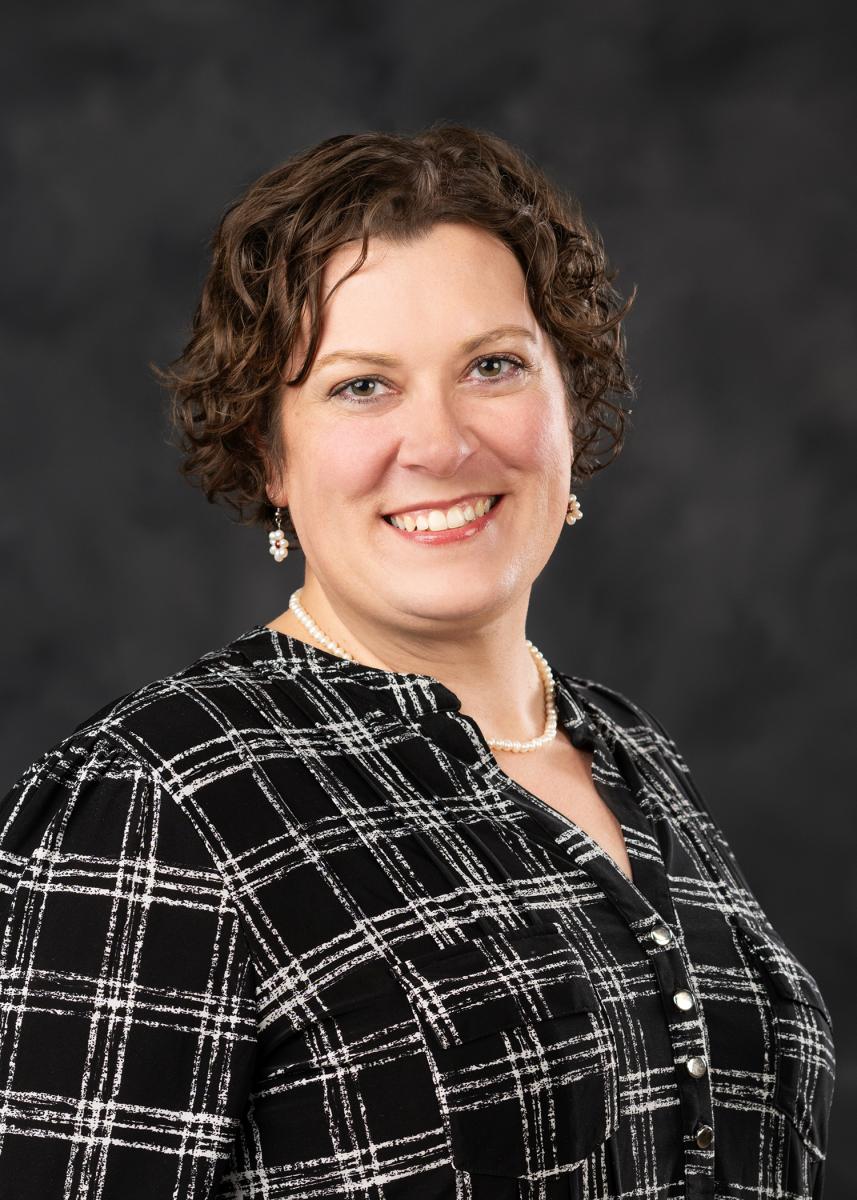
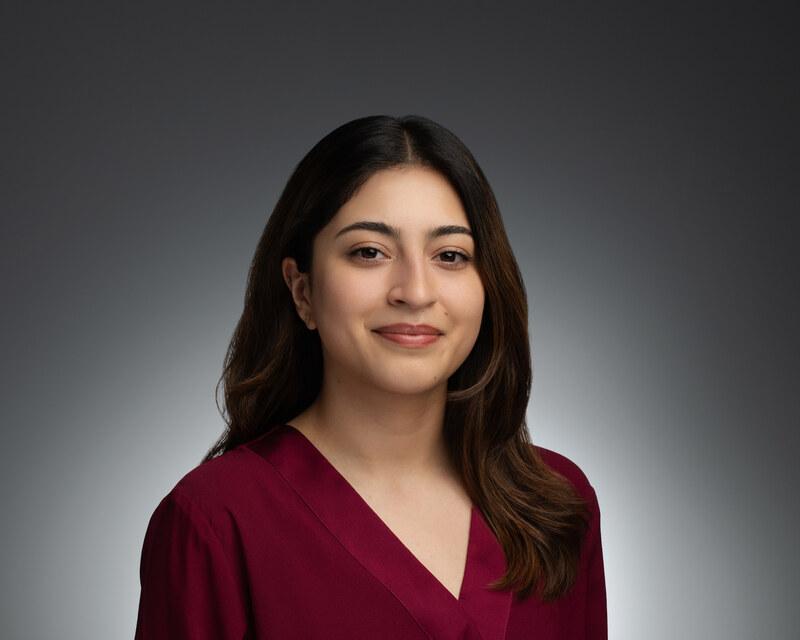
Headshot of Dr. Danielle K. Nadorff, Associate Professor of Psychology at Mississippi State University.

Danielle K. Nadorff, Ph.D.

Director, the Grandfamilies Lab

Dr. Nadorff is an Associate Professor of Psychology and Undergraduate Coordinator at Mississippi State University. Her research, anchored by the Twelve Ds Framework for pathways into kinship care, examines rural health access, custodial grandfamilies, and aging in the context of substance use and recovery, with an emphasis on translational findings that clinicians and program leaders can act on. She is the incoming Editor-in-Chief of the International Journal of Aging and Human Development and co-convenes the Gerontological Society of America's Grandparents Raising Grandchildren Interest Group. She earned her Ph.D. in Lifespan Developmental Psychology from West Virginia University in 2011.

Dr. Nadorff ORCID
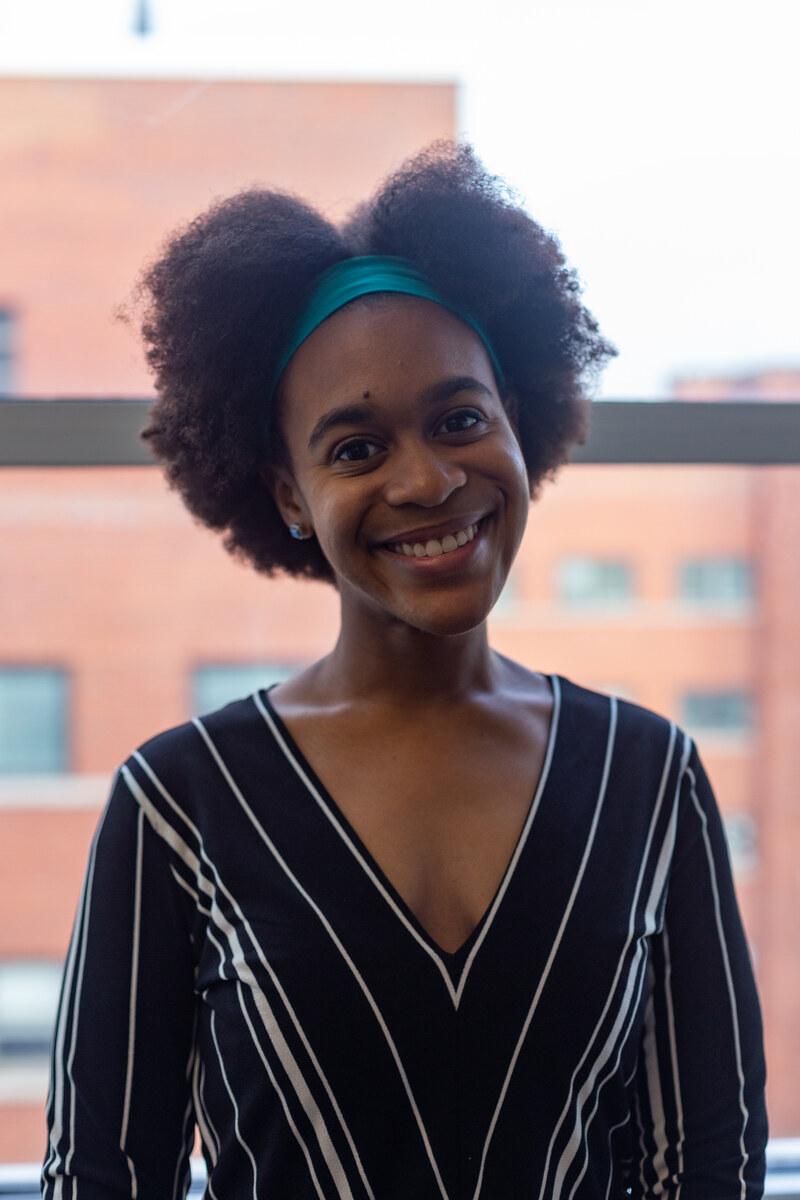
Maia McLin headshot

Maia McLin, M.S.

Doctoral Candidate

Maia is preparing to defend her dissertation, "Not All Heroes Wear Capes: The Superwoman Schema, Coping, and Depressive Symptoms in African American Caregiving Grandmothers." Using archival data from the MIDUS Milwaukee sample and guided by the Stress Process Model, her dissertation tests how cultural narratives about strength and emotional suppression relate to active versus passive coping and depressive symptoms in this population.

Maia McLin ORCID
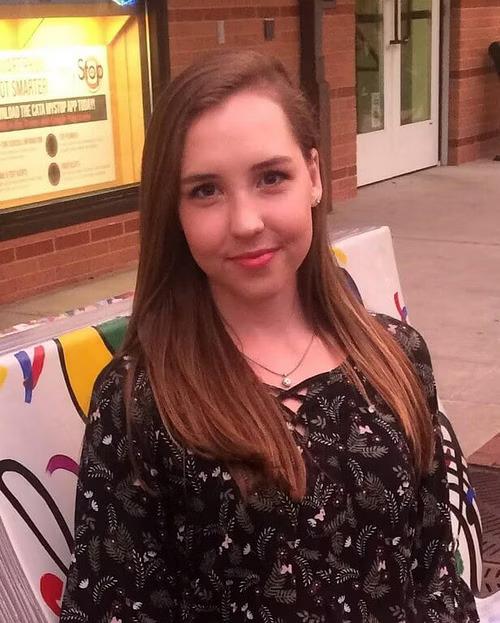
Laura Shillingsburg Headshot

Laura Shillingsburg, M.S.

Doctoral Student

Laura is in active recruitment and data collection for her dissertation, "Bridging the Gap: Adapting Parent-Child Care for Virtual Delivery to Custodial Grandparents." Grounded in Attachment Theory, her pilot evaluates a virtually-delivered adaptation of PC-CARE for custodial grandparents of children ages two to ten with trauma histories, with added modules on family role transitions, family reconstruction, and legal concerns. The study assesses child trauma symptoms and behavior, caregiver stress and efficacy, and the quality of the grandparent-child attachment relation across 10 to 20 grandfamilies.

Laura Shillingsburg ORCID
Amara Mason Headshot

Amara Mason, B.S.

Master's Student

Amara is preparing to defend her master's thesis, "Breaking the Chain or Passing the Torch?: Caregiver Type, Perceived Caregiving, and Extent of Aggression in Emerging Adult Relationships." Drawing on Intergenerational Transmission of Violence Theory, Social Learning Theory, and Attachment Theory, her thesis examines whether alternative caregiver-led caregiving buffers or exacerbates the development of violent behavior patterns associated with early adversity in emerging adults aged 18 to 25, using the CTS2, ACEs, and PBI.

Amara Mason ORCID
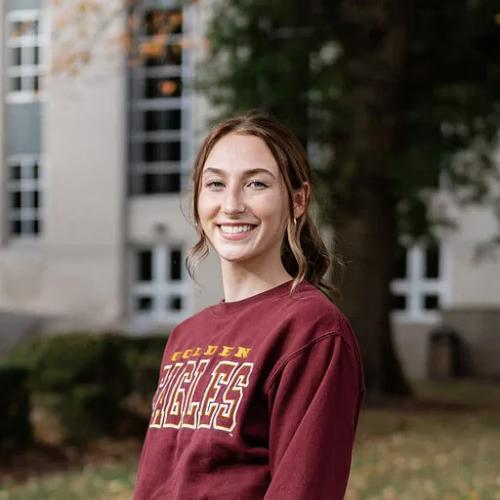
Jocelyn Lamore Headshot

Jocelyn Lamore, B.S.

Incoming Doctoral Student

Jocelyn joins the lab in Fall 2026 as an incoming doctoral student. She is currently a Postgraduate Associate in the Before and After Baby Lab at the Yale Child Study Center, where she studies the neurocognitive and psychosocial mechanisms of the transition to motherhood, including maternal neural responses to infant distress. A McNair Scholar and University of Missouri graduate, her training combines EEG and ERP methods with attachment-based assessments, and her interests in attachment, intergenerational caregiving, and family dynamics extend the lab's program into new methodological territory.

Jocelyn Lamore ORCID

Lab Alumni

  • Acacia Edwards, Ph.D. (2020 to 2025) — Clinical Psychology Postdoctoral Fellow, Harvard Medical School, Boston, MA.
  • Marin Olson, Ph.D. (2021 to 2025) — Co-owner, Olson Psychological Services, P.C., Marquette, MI.
  • Rachel Scott, Ph.D. (2019 to 2024) — BHIP Staff Psychologist, Nashville VA Medical Center, Nashville, TN.
  • Ian McKay, Ph.D. (2016 to 2021) — Attending Clinical Psychologist and Clinical Director, Nationwide Children's Hospital, Columbus, OH.
  • Ethan Lantz, Ph.D. (2016 to 2020) — Staff Psychologist, Sedalia VA Outpatient Clinic, Sedalia, MO.
  • Melanie Stearns, Ph.D. (secondary mentor, 2015 to 2020) — Assistant Professor, College of Nursing, University of South Florida.

Join the Lab

Strong applicants bring methodological curiosity, an interest in working with underserved populations, and an appetite for both fieldwork and rigorous analysis. Undergraduates at MSU can join the lab as research assistants for course credit through PSY 4000.

Beyond the lab itself, our work has hosted support groups for custodial grandparents in Starkville and nationally via telehealth, provided educational workshops for service providers, and contributed to policy conversations about how Mississippi supports kinship caregivers.

Apply to join the lab